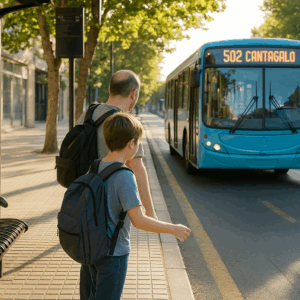
Stop-and-Go Duty
Frequent acceleration, braking, idling and low-speed operation change engine loading, thermal conditions and service demand throughout the route.
DIRECT ANSWER
Start with the actual vehicle platform, engine and protected system. Then resolve route duty, passenger environment, compressed-air architecture, fuel condition, service windows and documented application evidence. A bus category or service interval alone is not enough to confirm the correct filter.
PASSENGER-FLEET DUTY
Bus and coach filtration decisions span propulsion, compressed air, cooling and HVAC. The operating context is different from a conventional truck fleet because passenger load, route frequency and depot schedules are part of the maintenance equation.
Frequent acceleration, braking, idling and low-speed operation change engine loading, thermal conditions and service demand throughout the route.
Cabin air quality and HVAC filtration matter because the protected space is occupied continuously across repeated boarding and route cycles.
Air-brake systems depend on controlled compressed-air quality and moisture management to support consistent pneumatic function.
Transit and coach fleets work to fixed timetables, so maintenance planning must resolve parts and application fit before a vehicle leaves service.
FLEET APPLICATIONS
Urban transit, school transportation, intercity service and shuttle operations can share similar vehicle architecture while operating under very different route lengths, passenger cycles and maintenance windows.
PROTECTION PATHWAYS
The protection architecture should identify the contamination source, the affected vehicle system, the appropriate ELIMFILTERS technology and then the validated part for that exact application.
Road dust + traffic particulate + intake loading
Storage + transfer + condensation + fueling exposure
Wear debris + soot + repeated duty cycling
Humidity + compressor carryover + pneumatic-system exposure
Traffic particulate + passenger loading + HVAC recirculation
Coolant condition + thermal cycling + service contamination
Passenger-fleet filtration should be resolved by vehicle platform, route duty, protected system and application evidence before fleet-wide standardization is accepted.
Every bus taken out of rotation is a route that runs short. ELIMFILTERS® protection systems are engineered for the stop-and-go cycles, pneumatic brake systems, and cabin air quality that transit and coach operators depend on to keep passengers moving safely. Working with distributors that serve transit depots directly, we help operators protect both the vehicle and the passenger experience.
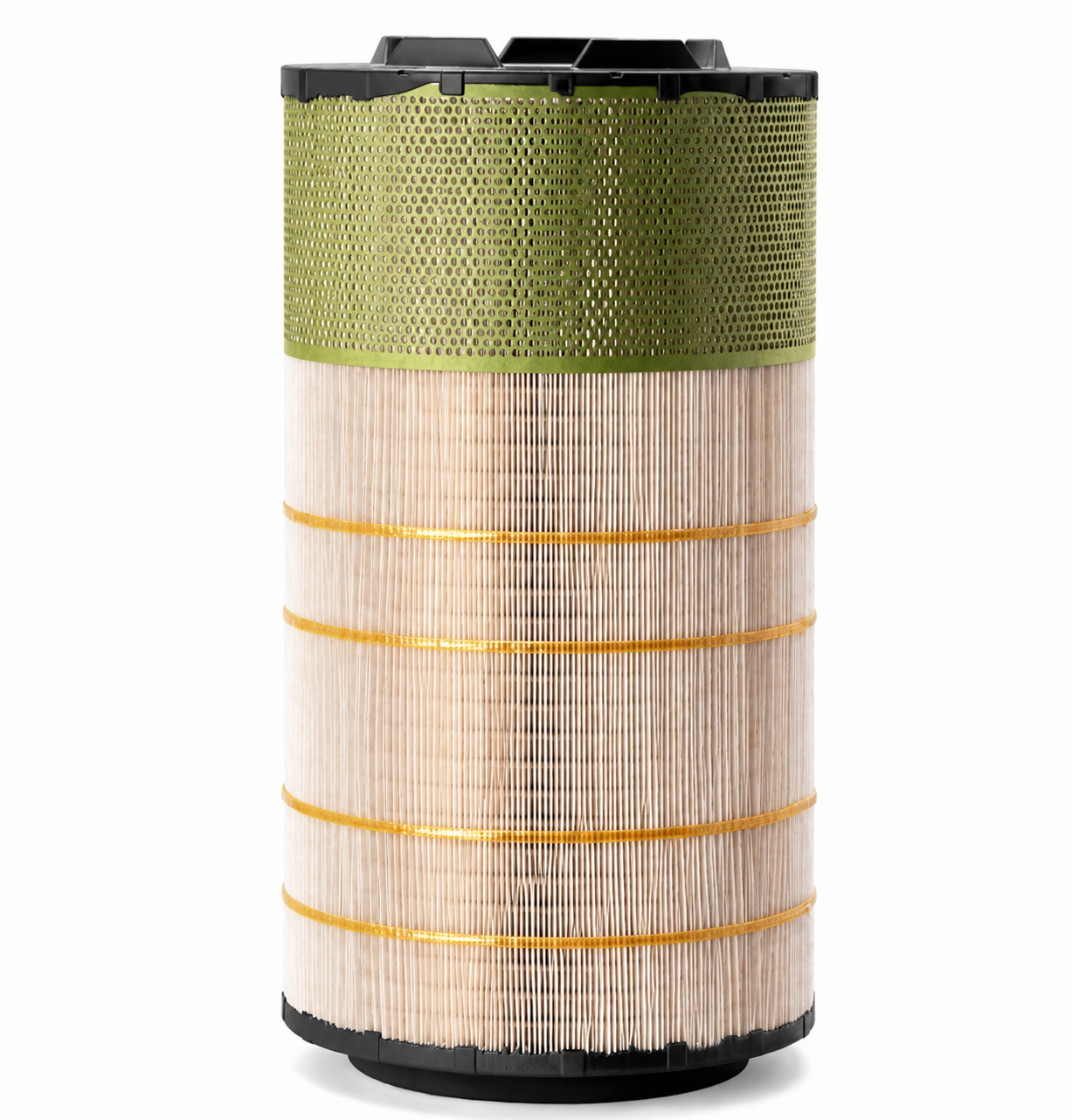
Primary air elements are the main contamination barrier protecting the combustion chamber from particulate ingestion. MACROCORE™ progressive-density media distributes contaminant loading through the full media depth while balancing efficiency, capacity, and restriction.
View Primary Air →ROUTE AVAILABILITY
A filtration decision affects more than an engine component. It can influence route continuity, brake-system support, HVAC service, depot planning and the ability to standardize maintenance across a mixed passenger fleet.
A bus removed from service affects vehicle assignment, headway planning and the capacity available to the route or passenger schedule.
Air, fuel, lubrication and cooling protection support the engine systems that must remain available through repeated daily duty.
Compressed-air protection helps manage moisture and contamination in pneumatic systems used across many heavy bus and coach platforms.
Cabin filtration supports the HVAC air path serving drivers and passengers in high-occupancy vehicles.
Correct application identification before scheduled service helps maintenance teams stage the right parts before the vehicle enters the bay.
Common platforms can support standardized maintenance only when engine, chassis, system and application compatibility are confirmed.
FROM ROUTE PROFILE TO PART
Identify make, model, year, chassis and fleet configuration.
Resolve the installed engine and any platform-specific engine variation.
Define urban stop-start, school, shuttle, intercity, touring or mixed service.
Identify air intake, fuel, lubrication, cooling, compressed air or cabin HVAC.
Account for depot schedule, ambient particulate, passenger load and fueling conditions.
Validate the final filter using OEM reference, current part, dimensions and documented fitment evidence.
DEPOT APPLICATION EVIDENCE
Before consolidating part numbers across a bus or coach fleet, reconcile engine, chassis, protected system, OEM reference, dimensions and documented application evidence. Similar body styles do not prove identical filter positions.
BUS & COACH FILTRATION QUESTIONS
Air intake, fuel and water separation, lubrication, cooling, compressed-air and cabin filtration are common priorities. The exact requirement depends on the vehicle platform, engine, brake architecture, HVAC configuration, duty cycle and validated application evidence.
Repeated acceleration, braking, idling and low-speed operation can change engine loading, thermal conditions, soot exposure and maintenance demand. Filter selection should reflect the actual route and duty profile rather than a generic vehicle category.
Many heavy bus and coach platforms use pneumatic systems for braking and other functions. Moisture and contamination management should therefore be considered as part of the vehicle protection architecture where an air-dryer position is specified.
Passenger vehicles operate with continuous HVAC use, repeated door openings and high occupancy. Cabin filter selection should match the HVAC application, vehicle configuration and service environment.
Only when compatibility is confirmed. Similar-looking buses may use different engines, chassis, brake systems, HVAC configurations or filtration positions. Standardization should follow documented application evidence.
No. Service interval alone does not describe route duty, idling, ambient particulate, fuel condition, HVAC loading, engine configuration or pneumatic-system requirements.
Use the vehicle make and model, model year, engine, chassis or VIN information when available, protected system, duty profile, OEM or current filter reference, dimensions where needed and validated application evidence.
Yes. A known OEM or current filter reference can be used as a starting point in Part Search. Final confirmation should still reconcile the vehicle, engine, protected system and application evidence.
HAVE A BUS, COACH OR FLEET APPLICATION?
Send the vehicle make, model, year, engine, chassis or VIN details when available, protected system, route duty and any known OEM or current filter reference.
IDENTIFY MY BUS & COACH PROTECTION PATH