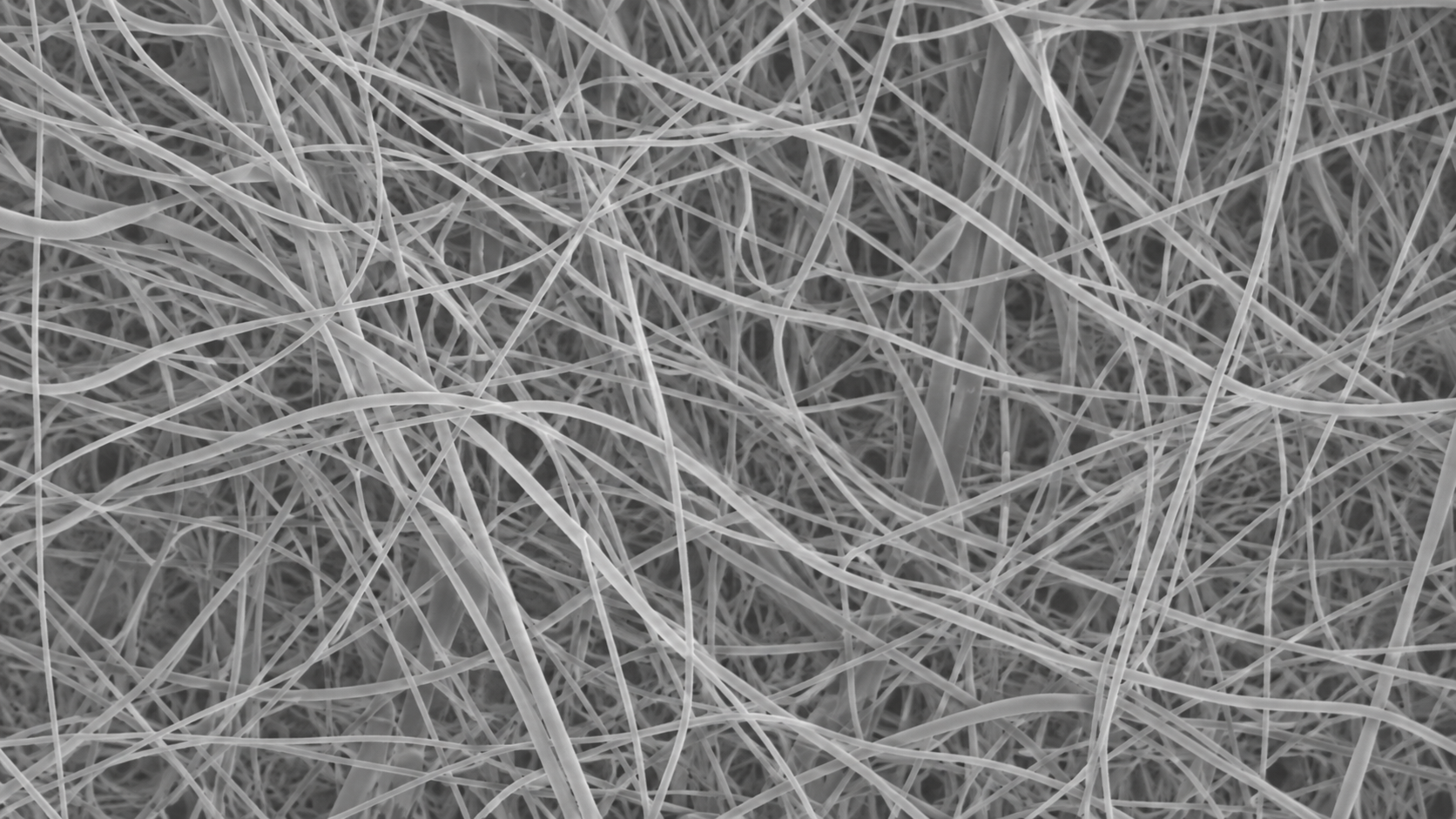
Water exposure
Separated water that is not removed or water that bypasses the intended separation boundary can increase downstream corrosion and wear risk.
FILTRATION TECHNOLOGY
Fuel/Water Separation Architecture
A fuel/water separation architecture developed for approved standard diesel separator applications where water control is required before fuel reaches downstream pumps, injectors and other precision fuel-system components.
DESCRIPTION
HYDROCORE™ is ELIMFILTERS’ fuel/water separation architecture developed for approved standard diesel fuel separator applications where water control is required before fuel reaches downstream pumps, injectors and other precision fuel-system components.
Its media and separator configuration are selected around fuel flow, water-separation requirements, contaminant load, pressure drop, drainage strategy and operating duty. Effective water management helps reduce downstream exposure to corrosion, erosion, cavitation and contamination-related wear while supporting consistent fuel delivery under load.
Water accumulation, inadequate drainage, contaminated bulk fuel and microbial growth can accelerate separator loading and contribute to premature restriction. For this reason, HYDROCORE™ is treated as part of the complete fuel-cleanliness strategy rather than as an isolated filter element.
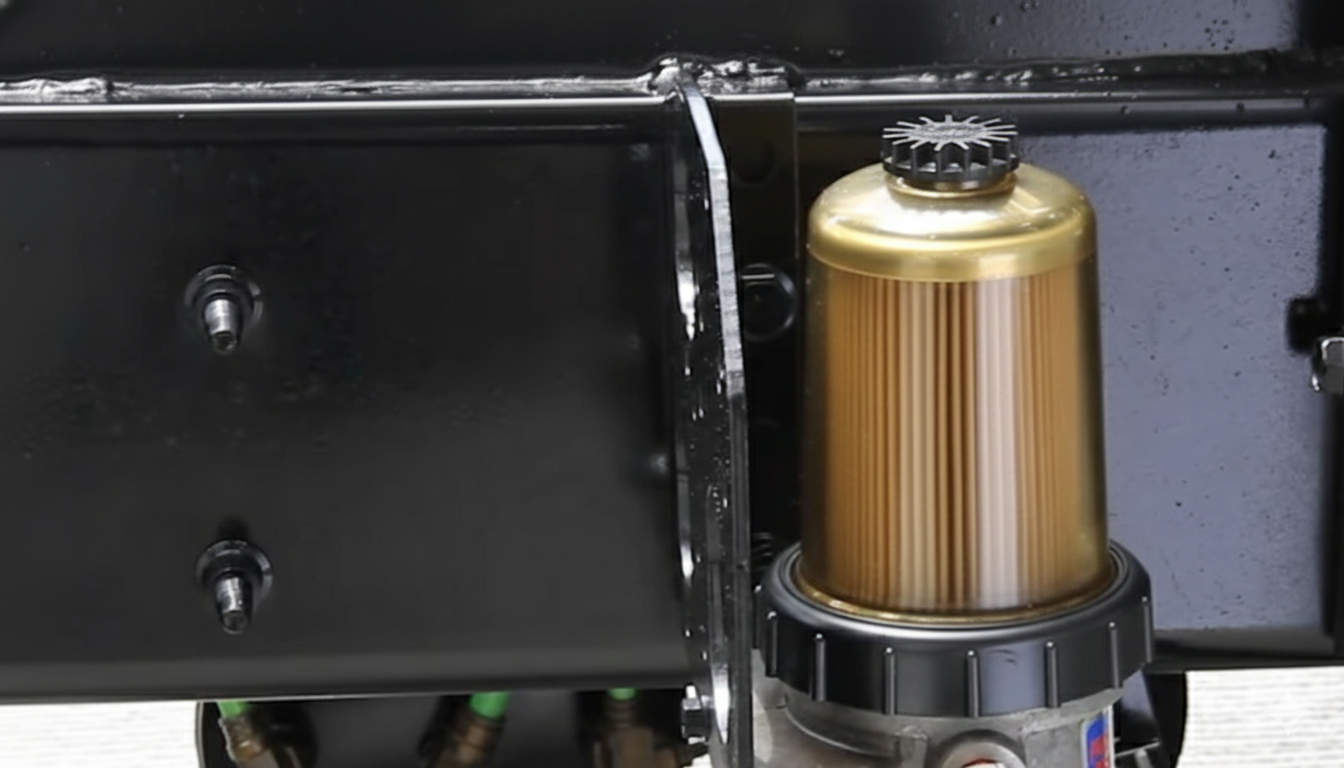
HYDROCORE™ can be configured for approved standard spin-on and cartridge fuel/water separator designs, including drain and transparent-bowl arrangements. FH and FG turbine-style systems remain outside this architecture and are governed separately by TURBOCORE™.
OPERATING REALITY
When water passes downstream, corrosion, erosion and wear risk increase at pumps, injectors and other precision fuel-system interfaces. When restriction rises excessively, the engine may lose power, surge or show fuel-starvation symptoms under load.
Separated water that is not removed or water that bypasses the intended separation boundary can increase downstream corrosion and wear risk.
A loaded or improperly serviced separator can reduce available fuel supply, with symptoms often becoming more evident as engine demand increases.
APPLICATION ENVIRONMENT
SPECIFICATION & SELECTION
Known application? Use Part Search. Water, restriction or repeated plugging problem? Use technical review.
HOW THE SYSTEM BEHAVES
The separator must support the required fuel supply while providing the separation behavior required by the approved application. As water and contamination accumulate, pressure drop and service demand can change.
SERVICE & DIAGNOSIS
Repeated plugging, visible water or loss of power under load justifies reviewing the complete fuel supply path.
REQUEST FUEL SYSTEM REVIEWQUESTIONS FROM THE FIELD
HYDROCORE™ is the ELIMFILTERS fuel/water separation architecture for approved standard non-turbine separator filters, including drain and transparent-bowl configurations.
Water can contribute to corrosion, erosion, cavitation risk and accelerated wear at pumps, injectors and other precision fuel-system interfaces. Severity depends on the fuel system, contamination level and operating conditions.
Yes. Excessive restriction can reduce fuel supply to the engine, especially under load. Reduced power, surging or fuel-starvation symptoms justify inspection of the separator, upstream fuel condition and the complete supply path.
Severe particulate loading, microbial contamination, degraded fuel, cold-flow problems or contamination from storage tanks can shorten service life. Repeated early plugging should trigger a fuel-quality and storage review.
Where the approved separator uses a drain or transparent bowl, these features support inspection and removal of separated water. Service practice must follow the requirements of the specific application.
No. FH and FG turbine-style fuel/water separator systems are governed by TURBOCORE™. HYDROCORE™ applies to approved standard non-turbine separator configurations.
No. HYDROCORE™ governs standard fuel/water separation. Plain diesel-fuel particulate filtration is governed separately by SYNTAPORE™ within the ELIMFILTERS Fuel Cleanliness Protection architecture.
TECHNICAL BASIS
Water-separation efficiency, pressure drop, flow capability, water-holding capacity and service limits belong to validated individual separator data and the applicable test method.
HYDROCORE™ is not assigned one universal separation efficiency, micron rating, capacity, flow limit or service interval across every application.
WHEN A TECHNICAL REVIEW MAKES SENSE
Repeated water accumulation, short separator life, microbial contamination, fuel starvation or evidence of downstream corrosion justify reviewing storage, transfer, separation, filtration and maintenance as one contamination-control chain.
SYSTEM INTEGRATION
HYDROCORE™ provides the standard non-turbine fuel/water separation layer within ELIMFILTERS Fuel Cleanliness Protection.
EXPLORE PROTECTION SYSTEMSYNTAPORE™ governs plain diesel-fuel particulate filtration. TURBOCORE™ governs FH/FG turbine-style fuel/water separator systems. Keeping those roles separate prevents incorrect application assignment.
APPLICATION SUPPORT
Use Part Search when the separator is known. For repeated water, plugging, restriction or fuel-quality problems, use technical review.
EXPLORE RELATED TECHNOLOGIES