Product-level evidence
Efficiency, capacity, restriction and durability values remain tied to validated product data and the approved application.
FILTRATION TECHNOLOGY
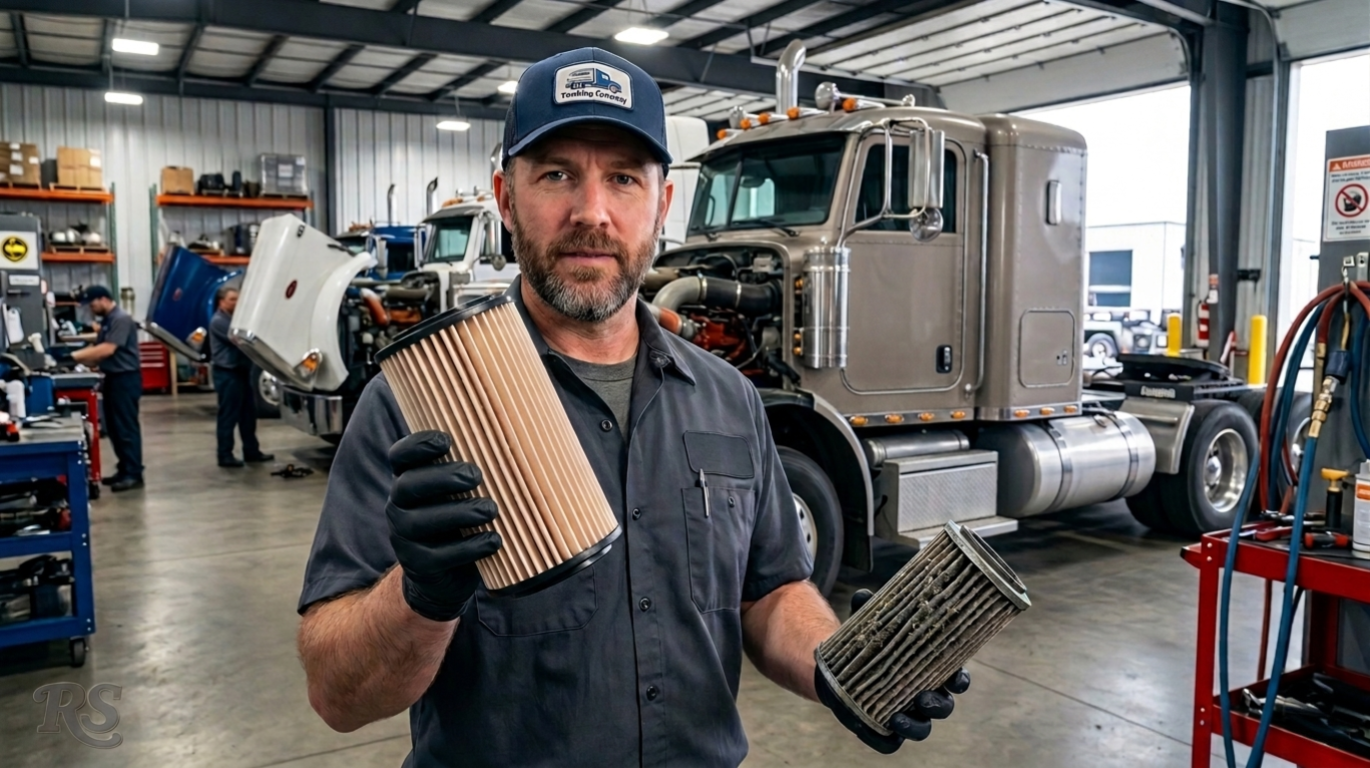
Engine lubrication filtration
A lubrication-filtration architecture for controlling wear debris, soot agglomerates and other contaminants while maintaining oil flow and structural integrity through the service interval.
DESCRIPTION
SYNTRAX™ is the ELIMFILTERS architecture developed to control wear debris, soot agglomerates and other contaminants present in the lubricant. Its selection balances efficiency, contaminant capacity, oil flow, pressure drop and structural integrity throughout the service interval.
OPERATING REALITY
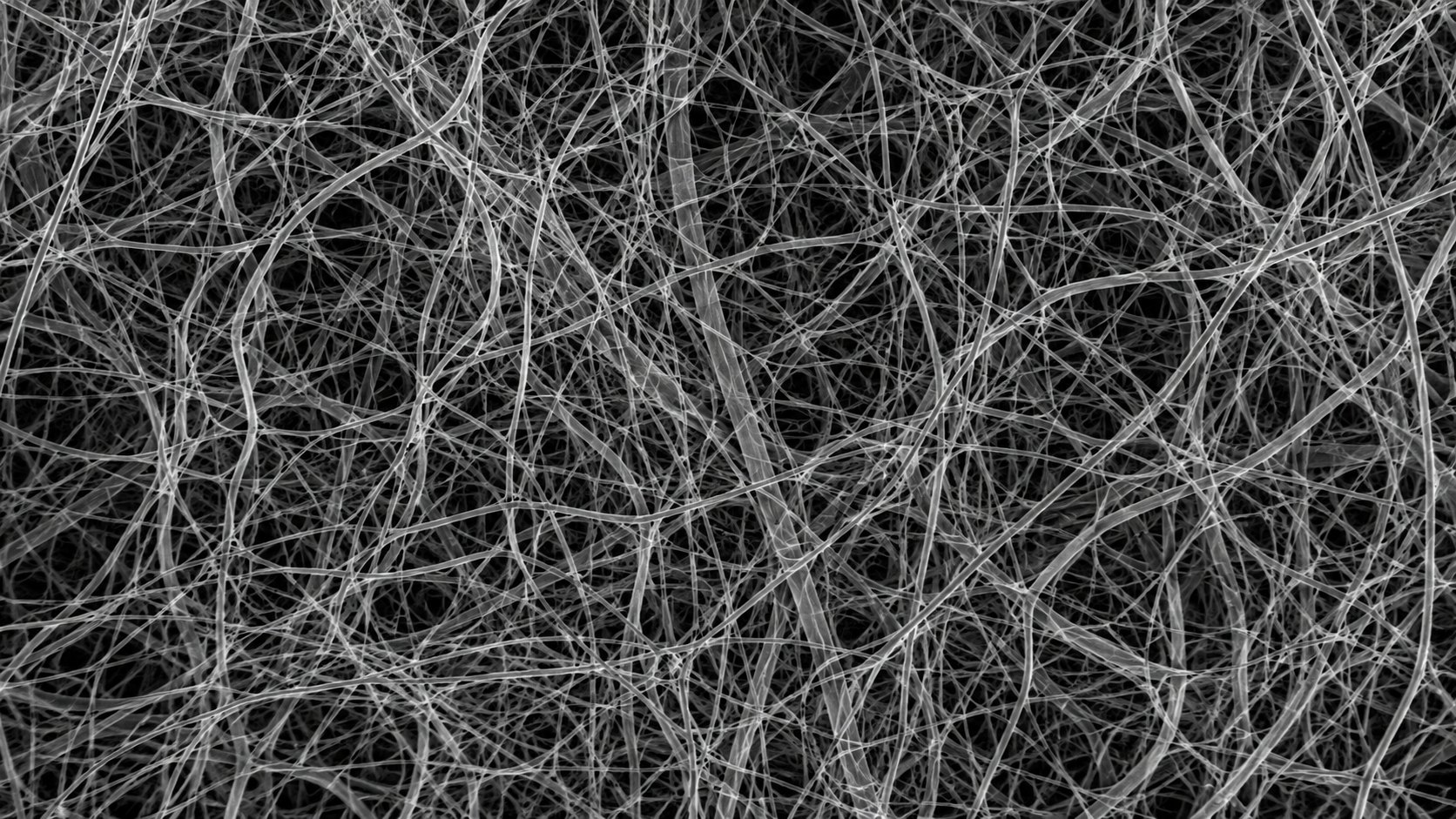
Engine oil carries internally generated wear debris, soot and other suspended contaminants through precision interfaces. Filtration must control contamination without creating unacceptable restriction or compromising oil delivery.
APPLICATION ENVIRONMENT
SPECIFICATION & SELECTION
Known part number? Use Part Search. Abnormal wear or uncertain application? Use technical review.
HOW THE SYSTEM BEHAVES
As wear debris, soot agglomerates and other solids accumulate, pressure drop can rise. Useful service life depends on contaminant load, media configuration, oil viscosity, flow demand and structural condition together.
SERVICE & DIAGNOSIS
Repeated wear findings or short filter intervals justify a lubrication-system review.
REQUEST LUBRICATION SYSTEM REVIEWQUESTIONS FROM THE FIELD
SYNTRAX™ is the ELIMFILTERS architecture developed to control wear debris, soot agglomerates and other contaminants present in the lubricant. Its selection balances efficiency, contaminant capacity, oil flow, pressure drop and structural integrity throughout the service interval.
Typical contamination can include wear debris, soot agglomerates, assembly residue and other suspended solids.
No. Efficiency must be evaluated together with oil flow, pressure drop, contaminant capacity, cold-start behavior and the approved application.
As contamination accumulates, resistance to oil flow can rise. Loading rate depends on media structure, oil viscosity, temperature, flow demand and duty cycle.
A compromised filtration stage can reduce contamination control or create abnormal flow conditions. Repeated wear findings require system-level diagnosis.
Engine and equipment identification, current filter reference, oil grade, service interval, duty cycle, operating environment and oil-analysis history are useful starting points.
TECHNICAL BASIS
Efficiency, capacity, restriction and durability values remain tied to validated product data and the approved application.
SYNTRAX™ is not assigned one universal micron rating, efficiency percentage, media construction or service-life multiplier.
WHEN A TECHNICAL REVIEW MAKES SENSE
Recurring abnormal wear, short filter intervals, contamination events or unexplained restriction justify reviewing lubricant condition, filtration duty, service strategy and operating environment together.
SYSTEM INTEGRATION
Lubrication Protection manages suspended contamination and wear debris while preserving oil flow needed to protect loaded engine surfaces.
EXPLORE PROTECTION SYSTEMSYNTRAX™ provides the filtration architecture within this system. Final selection resolves contaminant load, oil viscosity, flow requirement, pressure-drop limits, structural interface and validated product evidence.
APPLICATION SUPPORT
Use Part Search when the application is known. For abnormal wear, short filter life, restriction or uncertain lubrication architecture, use technical review.
EXPLORE RELATED TECHNOLOGIES