Fine-fiber capture
Finer fiber structures can increase interception opportunities for small airborne particles. Specific MACROCORE™ media construction must be confirmed from validated product data.
FILTRATION TECHNOLOGY
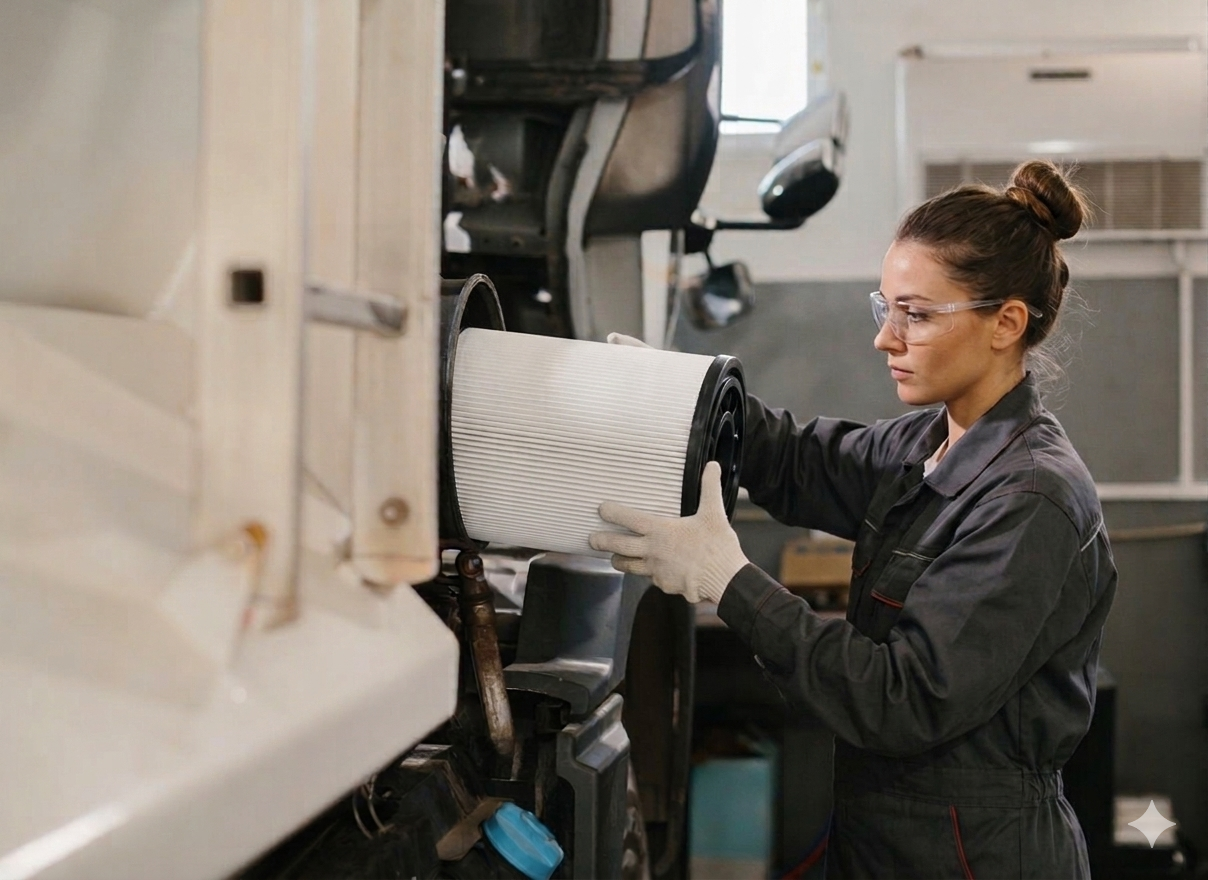
Primary and secondary engine air filtration
An engine air-intake filtration architecture for controlling airborne particulate while managing airflow demand, restriction development and sealing integrity.
Applied across approved primary and secondary / safety engine-air filtration positions upstream of turbocharger, cylinder and combustion-air components.
DESCRIPTION
MACROCORE™ is the ELIMFILTERS architecture for engine air-intake protection. It integrates media configuration, contaminant-holding capacity, restriction control, and sealing integrity according to airflow demand and operating conditions.
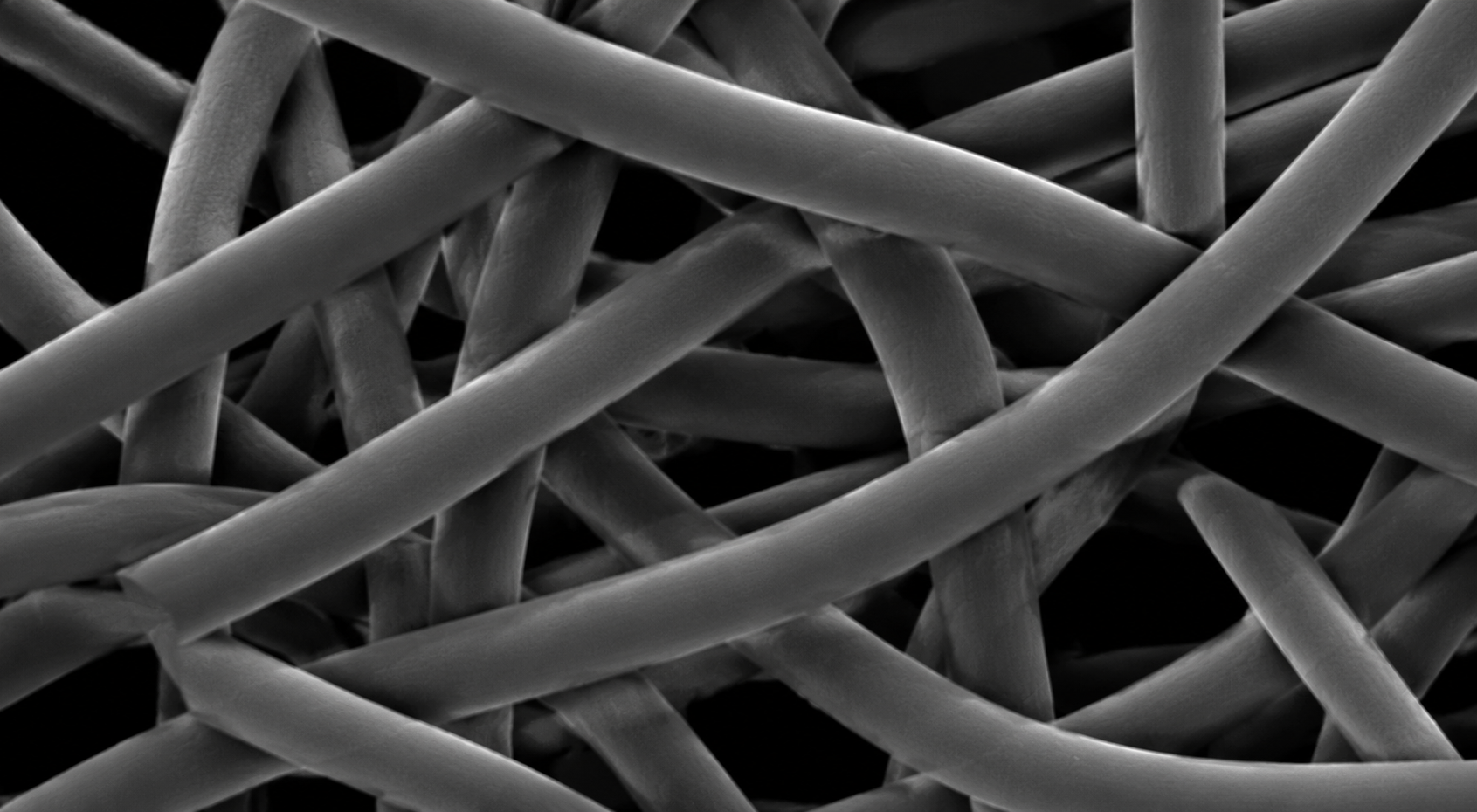
Finer fiber structures can increase interception opportunities for small airborne particles. Specific MACROCORE™ media construction must be confirmed from validated product data.
Keeping more contamination near the upstream surface can reduce deep particle penetration. Its value depends on airflow, dust characteristics and available filtration area.
Depth-oriented media distributes contamination through more of the media thickness. Restriction behavior depends on fiber structure, contaminant distribution and airflow.
Capture efficiency alone does not define a successful engine-air filter. Particle control, contaminant capacity and airflow resistance must remain balanced through the service cycle.
OPERATING REALITY
Airborne particulate that crosses the clean-air boundary can contribute to abrasive and erosive wear at turbocharger, cylinder, ring and combustion-air surfaces.
“Air filter” describes a category. Position, housing, airflow requirement and protection strategy determine what the element is actually being asked to do.
Dust, soot, fibers and mixed debris can enter the intake stream. Protection depends on the element, seal, housing and clean-air path acting as one boundary.
APPLICATION ENVIRONMENT
SPECIFICATION & SELECTION
Known part number? Use Part Search. Uncertain application or failure pattern? Use the engineering review path.
HOW THE SYSTEM BEHAVES
The primary element carries the normal contamination burden. Where specified, a secondary / safety element provides an additional clean-side protection layer. Selection must resolve airflow, restriction, sealing and housing requirements together.
Carries the normal contamination load while supporting required engine airflow.
Adds downstream protection during service or abnormal primary-element conditions where specified.
Element fit, housing condition and seal integrity keep contamination on the dirty side.
Turbocharger compressor surfaces, cylinder walls, piston rings and combustion-air passages depend on clean-air integrity.
SERVICE & DIAGNOSIS
Dust downstream, premature restriction or repeated filter changes?
REQUEST INTAKE SYSTEM REVIEWQUESTIONS FROM THE FIELD
MACROCORE™ is the ELIMFILTERS architecture for primary and secondary engine air-intake protection. It integrates media configuration, contaminant-holding capacity, restriction control and sealing integrity according to airflow demand and operating conditions.
The primary element normally carries the contamination load. A secondary or safety element is used only where the intake architecture specifies an additional downstream protection layer.
Surface-oriented loading keeps a greater share of contamination near the upstream face of the media. Its value depends on media structure, airflow, contaminant characteristics and available filtration area.
Depth loading distributes more contamination through the thickness of the filtration structure. It can provide useful contaminant capacity in some duties, but restriction behavior depends on the specific media and application.
Possible causes include damaged or incorrectly seated elements, compromised seals, housing defects, incorrect part selection or contamination introduced during service.
ISO 5011 provides test methods for engine air cleaners and filter elements. Numeric performance claims remain tied to validated data for the specific element or assembly.
TECHNICAL BASIS
Engine air-cleaner performance is commonly evaluated using ISO 5011 methods. Published efficiency, dust-capacity and restriction values should remain tied to validated product data.
No universal micron rating, fiber diameter, efficiency percentage, manufacturing process or service-life multiplier is assigned across MACROCORE™ without validated product evidence.
WHEN A TECHNICAL REVIEW MAKES SENSE
Repeated dust downstream, short filter intervals, recurring seal failures, unexplained restriction or accelerated wear justify reviewing the complete intake boundary, operating environment and maintenance strategy.
SYSTEM INTEGRATION
Air Intake & Airflow Protection controls contamination entering the engine and manages the clean-air path required to support equipment performance and component life.
EXPLORE PROTECTION SYSTEMMACROCORE™ provides primary and secondary engine-air filtration within this architecture. Final selection resolves the protected asset, contamination mechanism, airflow requirement, duty cycle, housing interface and validated product evidence.
APPLICATION SUPPORT
Use Part Search when the application is already known. When the issue is repeated contamination, short service life, uncertain restriction behavior, component exposure or an unclear intake architecture, use the technical review path.
EXPLORE RELATED TECHNOLOGIES
Move from the current topic to the contamination-control architecture protecting the asset.
See how operating environment, duty cycle and downtime risk change the protection requirement.
Continue into standards, contamination mechanisms, engineering principles and reliability guidance.