We use analytics (GA4, PostHog, Clarity) to improve the ELIMFILTERS platform. No personal data is shared with third parties.

HOMESYSTEMS
← HOME

// ASSET PROTECTION SYSTEMS

Five Systems.
One Industrial Protection Architecture.

Industrial equipment fails when contamination accumulates faster than the protection system removes it. ELIMFILTERS structures contamination control into five engineering domains — each defined by its contamination target, failure mechanism, and the exclusive architecture that prevents it.

// PROTECTION PHILOSOPHY

Protecting Assets Through System-Level Contamination Control

Industrial assets do not fail as individual components. Failures occur when contamination enters and damages the critical systems that sustain mechanical performance — air intake circuits, fuel delivery systems, lubrication circuits, hydraulic systems, and thermal management systems.

ELIMFILTERS organizes contamination control around the systems that sustain equipment performance, reliability and operational continuity. Each system requires different protection strategies, technologies and filtration mechanisms. The objective is not filtration alone. The objective is asset protection.

A product-centric approach asks: which filter fits my equipment? A system-level approach asks: what contamination is threatening this system, what standard defines the acceptable threshold, and what technology is engineered to meet it?

Product selection is the last step in this decision, not the first. The five protection systems below are organized by contamination domain — each with its mission, contamination targets, risk outcomes, protection strategy, and measurable asset protection result.

INFORMATION ARCHITECTURE HIERARCHY

Industrial Asset ProtectionContamination ControlSystemsTechnologiesProducts

CONTAMINATION CONTROL HIERARCHY

Contamination SourceEntry PathwayProtection SystemProprietary ArchitectureAsset Preserved

Asset reliability is determined by whether contamination entering each system stays below the threshold that causes measurable wear. Product selection is the last step in this decision — not the first. The five systems below are organized by contamination domain, not by product category.

SYSTEM 01

Air Intake & Airflow Protection

COMBUSTION & PNEUMATIC SYSTEM INTEGRITY

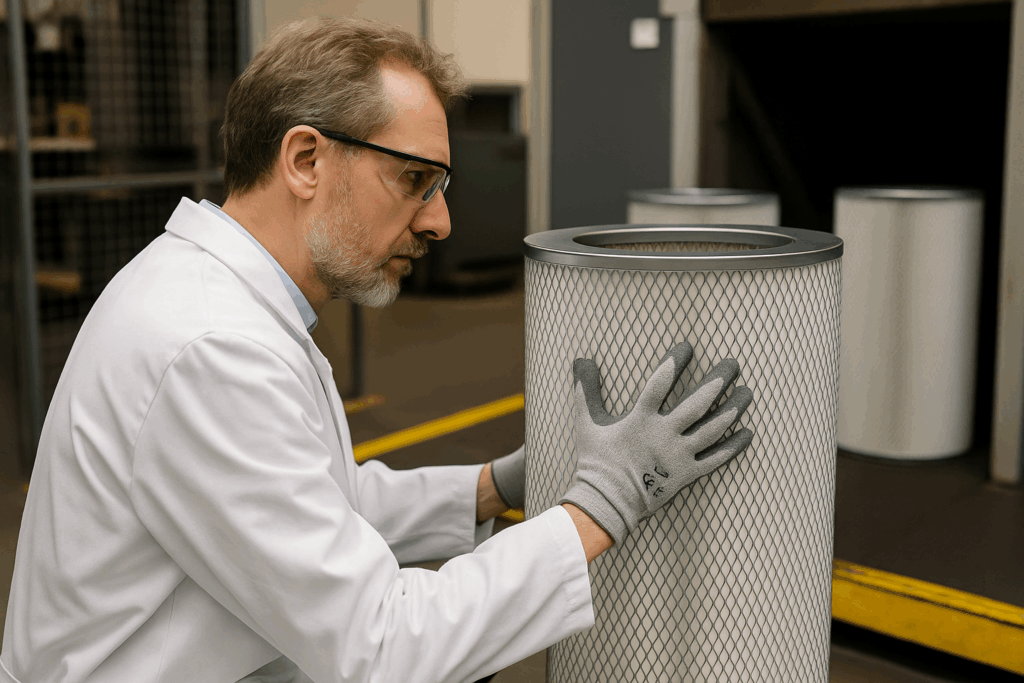
Protecting combustion efficiency and engine structural integrity by controlling particulate and moisture ingress across air intake and compressed air circuits.

Air intake contamination is the primary cause of abrasive wear in combustion engines, gas turbines, and industrial compressors. Silica dust at active mining and construction sites reaches 3,000–10,000 mg/m³ — ten to thirty times the ISO 5011 test threshold of 300 mg/m³. Agricultural harvest operations generate organic particulate at 1,500 mg/m³ or more. Offshore gas turbine installations draw salt-laden air at 1–10 mg/m³ NaCl, causing compressor blade corrosion and efficiency losses of 2–5% per 1,000 operating hours. Compressed air circuits serving pneumatic braking, suspension, and process control require moisture removal to ISO 8573-1 Class 1–2 dew point targets. Moisture above −20°C dew point at pressure causes valve icing, actuator seal degradation, and corrosion in safety-critical pneumatic circuits.

THREAT — CONTAMINATION TARGETS

  • Silica dust at 3,000–10,000 mg/m³ in mining and earthwork environments — 10 to 30× ISO 5011 test threshold
  • Agricultural organic particulate at 1,500 mg/m³ during grain, corn, and cotton harvest operations
  • Salt aerosol at 1–10 mg/m³ NaCl at offshore and coastal gas turbine installations
  • Moisture and humidity accumulation in compressed air circuits for pneumatic braking and process control

RISK — UNCONTROLLED CONTAMINATION OUTCOMES

  • Engine abrasive wear from silica ingestion reduces cylinder liner and valve train life to 30–40% of design specification
  • Compressor blade corrosion at offshore installations degrades turbine output efficiency 2–5% per 1,000 operating hours
  • Pneumatic valve icing in transit braking systems creates safety-critical failures during low-temperature operations
  • Uncontrolled intake contamination forces interval-based maintenance independent of actual contamination load, increasing service costs

PROTECTION STRATEGY

ELIMFILTERS air intake protection deploys multi-stage capture across primary, safety, and housing elements — engineered to dust concentration levels 10–30× ISO 5011 test thresholds. DRYCORE™ molecular sieve conditioning addresses downstream compressed air circuits within the same protection architecture, treating air intake and pneumatic cleanliness as a unified system rather than separate product categories.

PROTECTION IMPLEMENTATIONS

OUTCOME — ASSET PROTECTION RESULT

Maintained combustion efficiency through extended service intervals. Extended cylinder liner and valve train service life. Eliminated pneumatic valve icing in braking systems. Reduced abrasive wear failures across high-dust mining, agriculture, and construction environments.

ASSETS PROTECTED

  • Diesel engines (mobile and stationary)
  • Gas turbines and centrifugal compressors
  • Turbochargers
  • Pneumatic brake and suspension systems
  • Process control instrumentation air circuits

INDUSTRIES

  • Agriculture
  • Construction
  • Mining
  • Oil & Gas
  • Railway
  • Power Generation
  • Bus & Coach

KNOWLEDGE SYSTEM

SYSTEM 02

Fuel Cleanliness Protection

INJECTION SYSTEM INTEGRITY

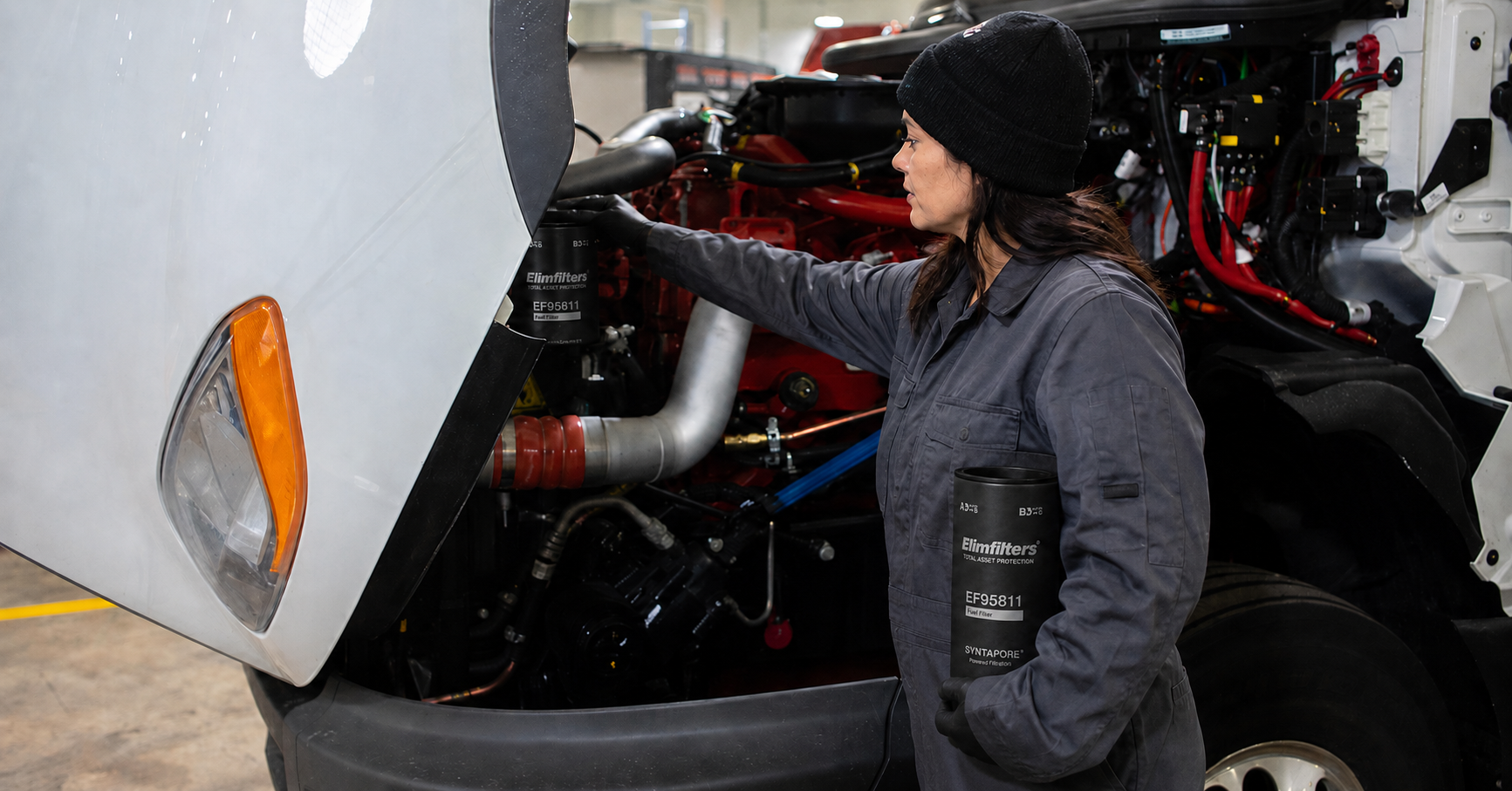
Protecting high-pressure injection systems, fuel pumps and combustion efficiency through particle and water contamination control across diesel and marine fuel circuits.

Modern high-pressure common-rail (HPCR) injection systems operate at 1,800–2,500 bar. Injector needle clearances measure 1–3 µm — where particle contamination above 10 µm causes injector tip erosion and free water above 200 ppm causes hydrogen embrittlement and corrosion of needle alloys. Marine fuel on commercial vessels accumulates water through tank condensation and bunkered fuel quality variation. Diesel stored in offshore or standby tanks reaches ASTM D6304 exceedance within 30–60 days without active separation. Emergency generator fuel stored 6–18 months undergoes biological colonization, oxidative degradation, and gum formation that blocks delivery components and prevents startup under load conditions.

THREAT — CONTAMINATION TARGETS

  • Free water from condensation in bulk tanks and bunkered fuel — injector corrosion above 200 ppm
  • Emulsified water suspended in fuel — pump cavitation and microbial colonization at water-fuel interface
  • Particulate from tank corrosion products above 10 µm — injector tip erosion at 1,800–2,500 bar injection pressure
  • Microbial biomass and acidic metabolites from bacteria and fungi at water-fuel interface
  • Oxidative gum and varnish deposits on injector nozzles during extended fuel storage periods

RISK — UNCONTROLLED CONTAMINATION OUTCOMES

  • HPCR injector tip erosion from particulate above 10 µm at 1,800–2,500 bar causes irreversible needle geometry damage within 500–1,000 operating hours
  • Free water above 200 ppm causes hydrogen embrittlement of injector needle alloys — failure mode undetectable until injection system replacement is required
  • Microbial colonization at water-fuel interface degrades fuel quality, blocks filters, and prevents engine startup under load in standby and emergency systems
  • Injector replacement costs for HPCR systems range from $800–$2,500 per unit — multiplied across 6-cylinder engines, contamination-driven failure represents significant unplanned capital expenditure

PROTECTION STRATEGY

HYDROCORE™ three-stage turbine-coalescing-precision architecture addresses both water and particulate contamination from storage through delivery. 99.8% free water removal and 95% emulsified water reduction protect injection tolerances at every stage of the fuel circuit — from bulk tank transfer to final delivery at injection pressure.

PROTECTION IMPLEMENTATIONS

OUTCOME — ASSET PROTECTION RESULT

Protected injection system precision at 1,800–2,500 bar. Extended HPCR injector service life. Prevented biological contamination in stored fuel circuits. Maintained combustion stability and fuel economy under continuous load.

TECHNOLOGIES

ASSETS PROTECTED

  • HPCR diesel engines (1,800–2,500 bar injection)
  • Common-rail marine diesel engines
  • Gas turbines on liquid fuel
  • Standby and emergency diesel generators
  • Offshore compression and power systems

INDUSTRIES

  • Marine
  • Oil & Gas
  • Power Generation
  • Trucks & Fleets
  • Waste & Municipal
  • Agriculture

KNOWLEDGE SYSTEM

SYSTEM 03

Lubrication Reliability Protection

BEARING AND DRIVETRAIN INTEGRITY

Protecting bearing surfaces, valve trains and drivetrain components by maintaining ISO 4406 oil cleanliness codes through extended drain intervals in mobile and stationary diesel applications.

Engine oil cleanliness measured against ISO 4406 particle count codes determines bearing, cam lobe, valve train, and journal service life across all diesel and gas engine applications. Maintaining ISO 4406 code 16/14/11 or cleaner extends bearing service life three to five times compared to uncontrolled contamination at 19/17/14 — the difference between a 15,000-hour overhaul interval and a 3,000-hour failure event. Urban transit buses and refuse vehicles complete 300–600 engine starts per week, accumulating soot at three to five times the rate of steady-state operation. Long-haul commercial trucks run extended drain programs at 60,000–100,000 km with oil analysis — intervals where lube protection must maintain ISO 4406 targets from service start to drain.

THREAT — CONTAMINATION TARGETS

  • Combustion soot above 2% by weight — degrades oil film strength, initiates abrasive bearing wear
  • Metal wear particles from ring, liner, and bearing contact — create secondary contamination cycles
  • Fuel dilution from cold-start cycles — thins oil viscosity below SAE specification
  • Acidic combustion byproducts — attack bearing alloys and reduce oil alkalinity reserve
  • External particulate ingress through shaft seals and crankcase vents in contaminated field environments

RISK — UNCONTROLLED CONTAMINATION OUTCOMES

  • Contamination above ISO 4406 19/17/14 reduces bearing service life from 15,000+ hours to 3,000 hours — a 5× acceleration in overhaul frequency and unplanned capital expenditure
  • Soot accumulation above 2% by weight degrades oil film strength, initiating abrasive wear on bearing journals and cam lobes
  • Fuel dilution from cold-start cycles reduces oil viscosity below SAE specification, causing metal-to-metal contact at startup when lubrication film has not fully established
  • Cumulative metal wear particles create secondary contamination cycles, accelerating wear rates beyond initial contamination entry levels

PROTECTION STRATEGY

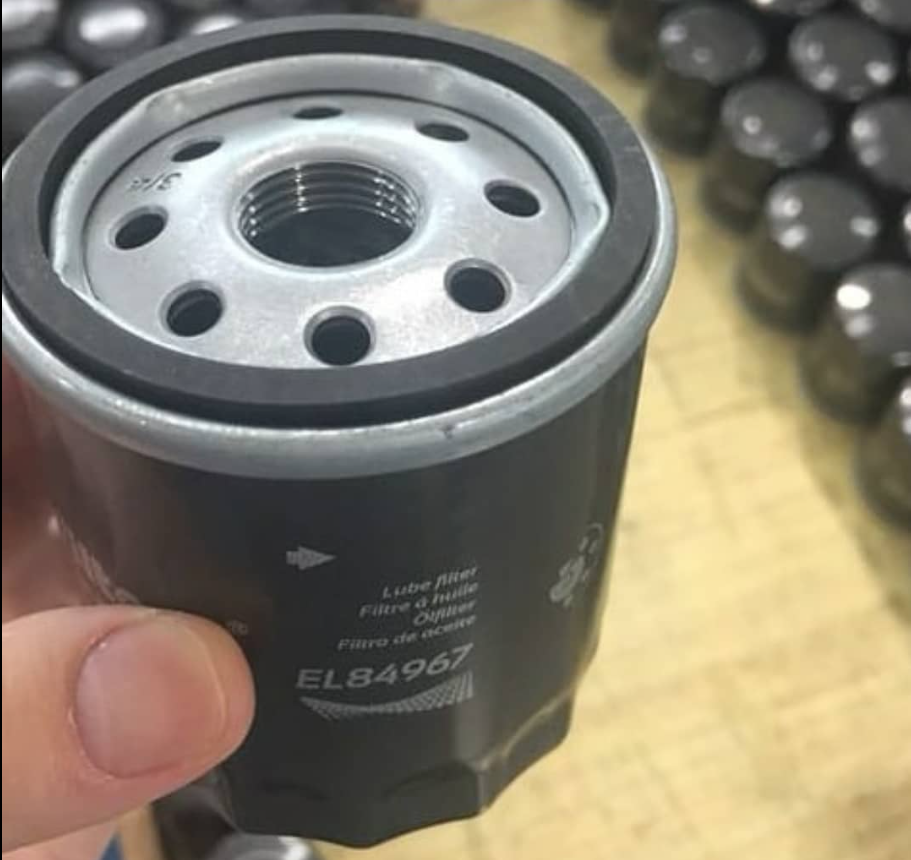
SYNTRAX™ synthetic lube protection maintains ISO 4406 16/14/11 cleanliness across extended drain programs of 60,000–100,000 km. Multi-circuit service kits synchronize oil, air, and fuel service events to eliminate contamination accumulation windows between intervals — treating lubrication as a system-wide cleanliness target rather than a single replacement event.

PROTECTION IMPLEMENTATIONS

OUTCOME — ASSET PROTECTION RESULT

Extended bearing and drivetrain service life 3–5×. Maintained ISO 4406 cleanliness through long-drain programs. Reduced unplanned engine maintenance events across mobile and stationary fleets. Lower total lubricant consumption through optimized drain intervals.

TECHNOLOGIES

ASSETS PROTECTED

  • Diesel and dual-fuel engines (mobile and stationary)
  • Natural gas and bi-fuel generator engines
  • Marine propulsion engines
  • Industrial engine-driven equipment
  • Gearboxes and differential housings

INDUSTRIES

  • Trucks & Fleets
  • Bus & Coach
  • Automotive
  • Manufacturing
  • Railway
  • Agriculture

KNOWLEDGE SYSTEM

SYSTEM 04

Hydraulic Contamination Control

PROPORTIONAL VALVE AND ACTUATOR INTEGRITY

Protecting proportional valves, actuators and pump integrity by maintaining ISO 4406 cleanliness targets in high-pressure hydraulic circuits across construction, mining and manufacturing equipment.

Hydraulic systems in mobile equipment, manufacturing machinery, and marine deck systems operate at 200–450 bar. Proportional valve spool clearances measure 5–25 µm — where ISO 4406 cleanliness targets of 16/14/11 or tighter are required to prevent spool stiction, position drift, and pump wear. Silica particles entering hydraulic circuits from construction and mining environments have Mohs hardness 7, harder than valve alloy surfaces — each particle contact above 5 µm creates permanent micro-abrasion on spool faces. At ISO 19/17/14 contamination levels, proportional valve failure rates increase three to five times. Standard return-line protection captures contamination above 25 µm. Sub-micron hydraulic protection captures particles at 1–10 µm that bypass standard systems and drive the progressive valve wear behind 40–60% of unplanned hydraulic maintenance costs.

THREAT — CONTAMINATION TARGETS

  • Silica particulate at Mohs hardness 7 — permanent micro-abrasion on valve spool surfaces above 5 µm
  • Metal wear particles from pump and actuator contact — create secondary contamination cycles in closed-loop circuits
  • Water ingress through cylinder seals and reservoir condensation — valve corrosion and fluid viscosity degradation
  • Aeration and cavitation in high-flow circuits — generates micro-particulate and accelerates pump wear

RISK — UNCONTROLLED CONTAMINATION OUTCOMES

  • Silica particles above 5 µm at Mohs hardness 7 create permanent micro-abrasion on valve spool faces — cumulative wear causes position drift and loss of actuator control precision
  • ISO 19/17/14 contamination levels increase proportional valve failure rates 3–5×, driving 40–60% of unplanned hydraulic maintenance costs in construction and mining fleets
  • Water ingress through cylinder seals causes valve corrosion and fluid viscosity breakdown — reducing system response and increasing energy consumption
  • Standard 25 µm return-line protection leaves sub-10 µm particles unaddressed, allowing progressive spool wear to accumulate silently until valve replacement is required

PROTECTION STRATEGY

NANOFORCE™ sub-micron Beta-rated contamination control targets particles at 1–10 µm that bypass standard return-line protection — maintaining ISO 4406 16/14/11 or tighter at 200–450 bar operating pressure. By addressing the contamination range responsible for the majority of valve wear, the system extends proportional valve service life rather than simply managing end-of-life replacement schedules.

PROTECTION IMPLEMENTATIONS

OUTCOME — ASSET PROTECTION RESULT

Maintained proportional valve precision and actuator response accuracy. Eliminated sub-micron particle accumulation in closed-loop circuits. Reduced hydraulic maintenance costs driven by contamination-related valve failure. Extended pump service life through cleaner circuit operation.

TECHNOLOGIES

ASSETS PROTECTED

  • Excavators, wheel loaders, and motor graders
  • Drilling and tunneling equipment
  • Industrial presses and injection molding machines
  • Marine crane, winch, and deck machinery
  • Agricultural implement and harvester hydraulics

INDUSTRIES

  • Construction
  • Mining
  • Manufacturing
  • Agriculture
  • Marine

KNOWLEDGE SYSTEM

SYSTEM 05

Cooling System & Environmental Protection

THERMAL CIRCUIT AND CABIN INTEGRITY

Protecting engine thermal circuits from liner cavitation and coolant degradation, and operator cabins from occupational PM2.5 and VOC exposure in commercial vehicle and construction environments.

Engine cooling circuits in industrial diesel engines depend on coolant additive concentration to prevent liner cavitation erosion and passage corrosion. Supplemental coolant additives (SCAs) and DCA inhibitors deplete through thermal cycling, electrolytic action, and combustion contamination. When DCA concentration falls below specification, cavitation erosion initiates on wet sleeve liner surfaces within 500–1,000 hours — a failure mode undetectable until compression testing. Operator cabin environments in commercial vehicles and construction equipment expose occupants to PM2.5 concentrations of 30–80 µg/m³ at road level, above WHO 24-hour exposure guidelines. Professional drivers completing 9–11 hour daily schedules accumulate sustained occupational exposure to diesel exhaust particulate classified as Group 1 carcinogen by IARC — regulated under EU Directive 2019/130 and OSHA occupational health standards.

THREAT — CONTAMINATION TARGETS

  • DCA depletion below SCA concentration threshold — initiates cavitation erosion on wet sleeve liner surfaces
  • Corrosion products (aluminum oxide, iron deposits) in cooling passages — reduce heat transfer efficiency
  • Silicate scale on heat exchanger surfaces — reduces radiator thermal efficiency 10–30% over service life
  • PM2.5 at 30–80 µg/m³ at street level (road dust, diesel exhaust, brake wear particulate)
  • Traffic-generated VOC and NOx accumulation in close-following highway and high-density urban conditions

RISK — UNCONTROLLED CONTAMINATION OUTCOMES

  • DCA concentration below specification initiates cavitation erosion on wet sleeve liner surfaces within 500–1,000 hours — undetectable until compression testing reveals liner damage requiring engine overhaul
  • Silicate scale reduces radiator thermal efficiency 10–30% over service life, increasing engine thermal load and advancing overhaul intervals
  • Sustained PM2.5 exposure above WHO guidelines in operator cabins creates occupational health liability for fleet operators under EU Directive 2019/130 and OSHA standards
  • Inadequate cabin VOC filtration in urban transit environments exposes professional drivers to cumulative IARC Group 1 carcinogen exposure across 9–11 hour daily schedules

PROTECTION STRATEGY

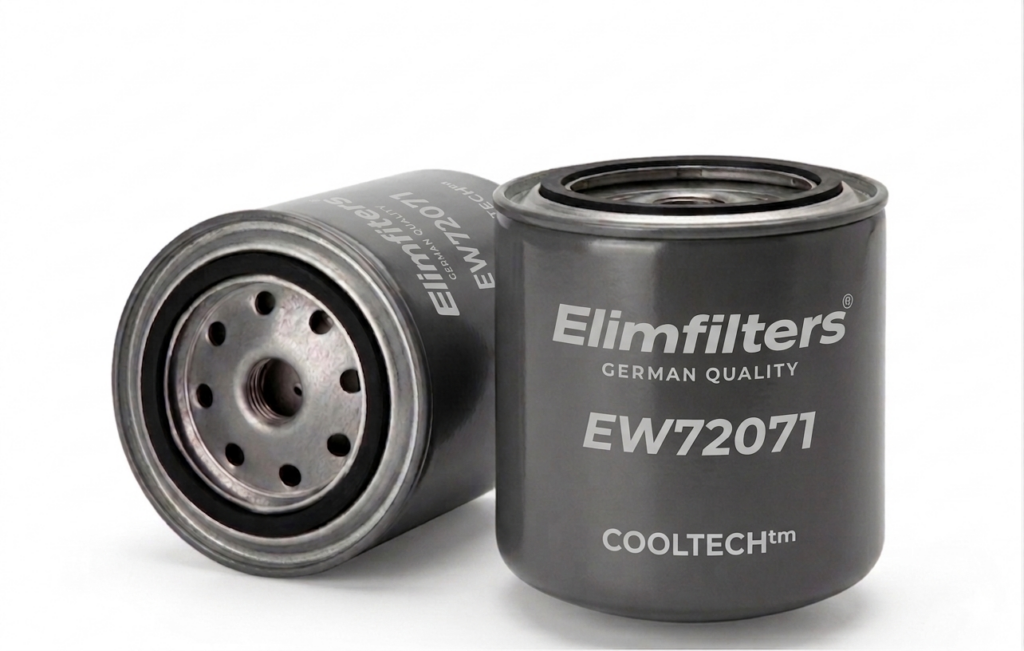
THERMACORE™ DCA-replenishing protection continuously restores supplemental coolant additives throughout the service interval — treating cooling system protection as an active chemistry maintenance function, not a passive filter replacement. MICROKAPPA™ multi-stage cabin filtration with activated carbon adsorption addresses operator health as a system-level objective alongside mechanical reliability.

PROTECTION IMPLEMENTATIONS

OUTCOME — ASSET PROTECTION RESULT

Prevented wet sleeve liner cavitation erosion through continuous DCA concentration maintenance. Maintained radiator thermal efficiency through scale and corrosion control. Reduced operator cabin PM2.5 by up to 85% for EU Directive 2019/130 and OSHA occupational compliance. Extended engine overhaul intervals in wet-liner diesel applications.

ASSETS PROTECTED

  • Industrial diesel engines with wet sleeve liner construction
  • Commercial truck and bus cooling circuits
  • Generator set cooling systems
  • Commercial vehicle operator cabins
  • Construction equipment operator environments
  • Transit bus driver and passenger cabins

INDUSTRIES

  • Trucks & Fleets
  • Bus & Coach
  • Power Generation
  • Construction
  • Waste & Municipal
  • Automotive

KNOWLEDGE SYSTEM

NINE EXCLUSIVE PROTECTION ARCHITECTURES

Technologies are architectures. Not products.

SYSTEM 01 · AIR INTAKE

MACROCORE™

High-capacity cellulose-synthetic composite intake protection. Maintains ISO 5011-compliant restriction at dust concentrations up to 10,000 mg/m³ across extended service intervals.

SYSTEM 02 · FUEL FILTRATION

SYNTEPORE™

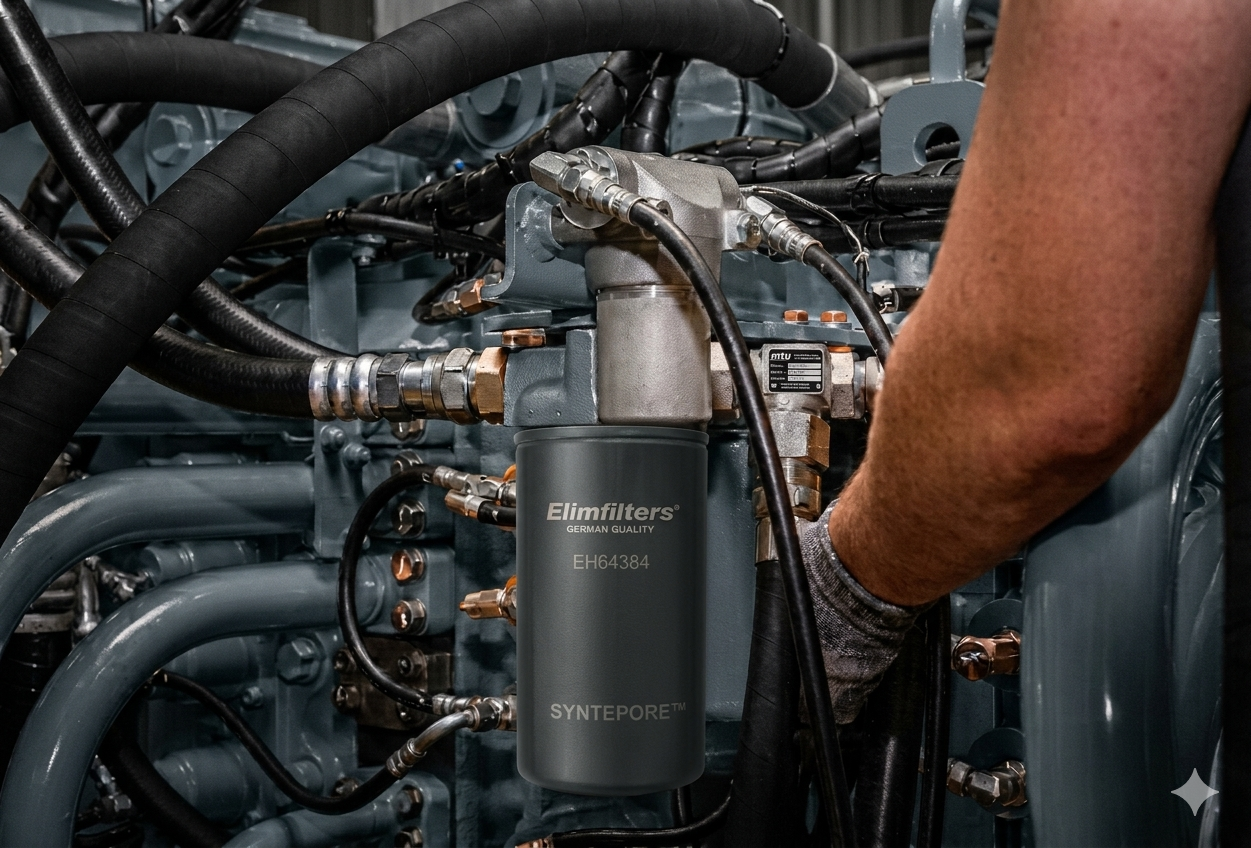
All-synthetic fuel filtration media for diesel, HVO, and biodiesel circuits. Chemical resistance and structural stability where cellulose media degrades under fuel chemistry exposure.

SYSTEM 01 · AIR INTAKE

INTEKCORE™

Integrated core construction for stationary industrial engines, railway traction systems, and pre-cleaner housing assemblies. Radial seal geometry engineered for high-vibration operating environments.

SYSTEM 01 · COMPRESSED AIR

DRYCORE™

Molecular sieve desiccant achieving ISO 8573-1 Class 1–2 dew point targets. Prevents valve icing, actuator corrosion, and seal degradation in pneumatic braking and process control systems.

SYSTEM 02 · FUEL CLEANLINESS

HYDROCORE™

99.8% free water removal, 95% emulsified water reduction via turbine-stage coalescing. Protects HPCR injection systems at 1,800–2,500 bar from water-driven corrosion and stiction failure.

SYSTEM 03 · LUBRICATION

SYNTRAX™

Synthetic lube protection maintaining ISO 4406 16/14/11 through extended drain intervals. Captures soot above 2% by weight, metal wear particles, and fuel dilution byproducts.

SYSTEM 04 · HYDRAULIC

NANOFORCE™

Sub-micron Beta-rated hydraulic contamination control at 200–450 bar. Maintains ISO 4406 cleanliness for proportional valve spool protection in construction, mining, and manufacturing circuits.

SYSTEM 05 · COOLING SYSTEM

THERMACORE™

DCA-replenishing coolant protection restoring SCA concentration throughout the service interval. Prevents wet sleeve liner cavitation erosion and corrosion scaling in industrial diesel cooling circuits.

SYSTEM 05 · CABIN PROTECTION

MICROKAPPA™

Multi-stage particulate capture with activated carbon adsorption. Reduces cabin PM2.5 by up to 85% for professional driver health compliance under EU Directive 2019/130 and OSHA standards.

VIEW TECHNOLOGY PLATFORM →

PROTECTION COVERAGE BY INDUSTRY

// RELIABILITY ENGINEERING CONTEXT

Why Systems Matter More Than Components

RELIABILITY

Industrial reliability is determined by the health of critical systems rather than individual replacement parts. A bearing fails not because the oil filter was a particular brand — it fails because particle contamination in the lubrication circuit exceeded the threshold at which abrasive wear rate exceeds the design tolerance. The system determines the outcome; the component is the mechanism.

SCOPE

Air intake systems, fuel systems, lubrication systems, hydraulic systems and cooling systems each require unique contamination control strategies. Silica dust in an air intake circuit requires cellulose-synthetic composite capture at concentrations up to 10,000 mg/m³. Water contamination in a fuel system requires turbine-stage coalescing separation to below ASTM D6304 thresholds. Hydraulic contamination requires sub-micron Beta-rated filtration maintaining ISO 4406 16/14/11. These are distinct engineering problems — not variations of the same filter replacement decision.

STRATEGY

A system-level approach allows organizations to reduce wear, improve reliability and extend equipment life through coordinated protection measures. Instead of scheduling maintenance by time or mileage, system-level contamination control defines measurable targets — ISO 4406 codes, ASTM water content thresholds, ISO 8573 dew point classes — and selects technologies capable of maintaining those targets throughout the equipment lifecycle.

OUTCOME

The result is equipment that operates longer, fails less frequently, and costs less to maintain — not because better filters were purchased, but because contamination was controlled below the thresholds where damage accumulates. Industrial asset protection is a reliability engineering discipline. The products exist to support the systems. The systems exist to protect the assets.

// TECHNICAL REFERENCE

Systems & Contamination Control — Technical Questions

Why does contamination damage industrial systems?

Industrial contamination — particles, water, degradation products, chemical byproducts — physically damages precision components through abrasive wear, corrosion, and viscosity breakdown. Particles smaller than bearing clearances create micro-cutting wear on journal surfaces. Water above 200 ppm causes hydrogen embrittlement of injector needle alloys. Hard particles at Mohs 7 permanently abrade valve spool faces at tolerances of 5–25 µm. The damage is cumulative and progressive — occurring silently over operating hours until component failure triggers unplanned downtime.

How does HYDROCORE™ protect HPCR injection systems?

HYDROCORE™ uses three-stage turbine-coalescing-precision separation to remove free water to below ASTM D6304 thresholds (99.8% removal) and emulsified water by 95%. HPCR injection operates at 1,800–2,500 bar with needle clearances of 1–3 µm — tolerances where free water above 200 ppm causes hydrogen embrittlement and corrosion of needle alloys within 200–500 operating hours.

What hydraulic cleanliness standard does NANOFORCE™ maintain?

NANOFORCE™ maintains ISO 4406 cleanliness codes of 16/14/11 or tighter — the threshold required to prevent proportional valve spool stiction and actuator position drift at 200–450 bar. At contamination levels above ISO 19/17/14, proportional valve failure rates increase three to five times. NANOFORCE™ captures particles at 1–10 µm that bypass standard return-line protection systems.

Identify the right protection system for your equipment

Cross-reference 500,000+ part numbers across all five protection systems. Match your equipment platform and contamination environment to the correct protection architecture.