Product-level evidence
Efficiency, Beta performance, contaminant capacity, collapse strength and pressure ratings must remain tied to validated data for the individual element and its applicable test method.

FILTRATION TECHNOLOGY
Hydraulic fluid filtration
A hydraulic-filtration architecture for maintaining fluid cleanliness around the tolerance requirements of pumps, valves, actuators and precision components.
DESCRIPTION
NANOFORCE™ is the ELIMFILTERS hydraulic-filtration architecture developed to maintain fluid cleanliness around the tolerance requirements of pumps, valves, actuators and precision hydraulic components.
Media and element construction are selected according to the required cleanliness target, critical particle size, system flow, pressure, fluid viscosity and operating duty. This engineering flexibility allows filtration to be configured for pressure-line, return-line and approved offline applications.
Product-level efficiency, Beta performance, contaminant capacity and pressure ratings must be supported by validated data under the applicable test standards.
OPERATING REALITY
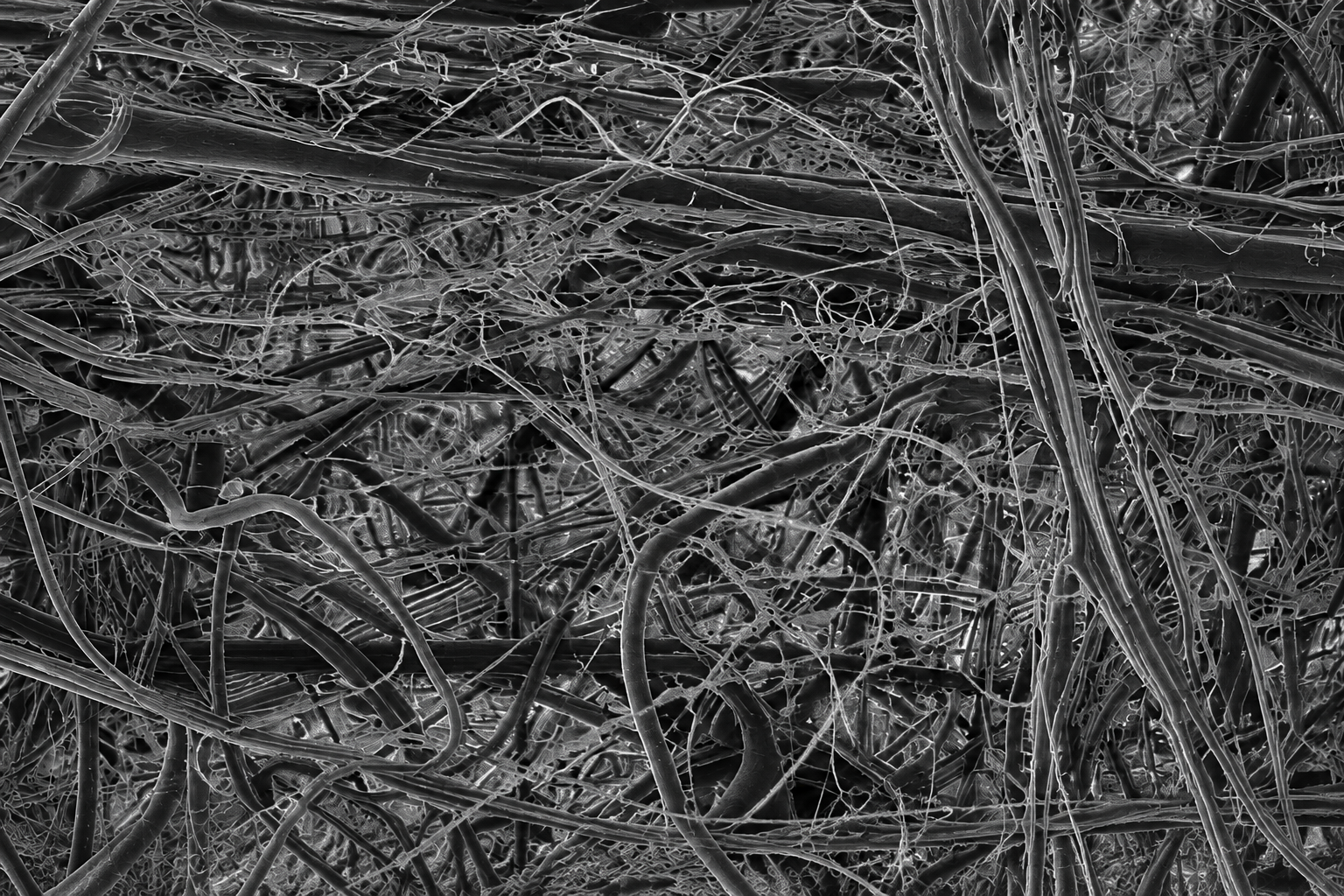
Pumps, valves and actuators operate with internal interfaces that can be sensitive to particulate contamination. The filtration strategy should be built around the most contamination-sensitive component and the real operating duty of the circuit.
APPLICATION ENVIRONMENT
SPECIFICATION & SELECTION
Known part number? Use Part Search. Cleanliness problem or uncertain hydraulic duty? Use technical review.
HOW THE SYSTEM BEHAVES
A hydraulic filter cannot be judged by one rating alone. The useful configuration must control the critical particle population while preserving the required fluid flow and remaining structurally appropriate for the pressure and duty of its filtration position.
SERVICE & DIAGNOSIS
Repeated cleanliness failures or premature filter loading justify a hydraulic-system review.
REQUEST HYDRAULIC SYSTEM REVIEWQUESTIONS FROM THE FIELD
NANOFORCE™ is the ELIMFILTERS hydraulic-filtration architecture developed to maintain fluid cleanliness around the tolerance requirements of pumps, valves, actuators and precision hydraulic components.
Selection should resolve the cleanliness target, critical particle size, system flow, pressure, fluid viscosity, duty cycle, filter position and validated element performance together.
Beta performance expresses the relationship between upstream and downstream particle counts at a specified particle size under the applicable test method. Product-level Beta values must be supported by validated data.
No. Particle-control performance must be balanced with flow, pressure drop, viscosity, structural integrity and the cleanliness requirement of the most sensitive component.
Approved applications can include pressure-line, return-line and offline filtration positions where the element and housing are validated for the required flow, pressure and contamination-control duty.
Pressure drop can rise as contamination accumulates, fluid viscosity increases, flow rises or the selected element is not matched to the operating condition.
Useful inputs include equipment identification, hydraulic circuit, filter position, current element and housing, fluid type and viscosity, operating pressure and flow, cleanliness target, duty cycle and failure history.
TECHNICAL BASIS
Efficiency, Beta performance, contaminant capacity, collapse strength and pressure ratings must remain tied to validated data for the individual element and its applicable test method.
NANOFORCE™ is not assigned one universal micron rating, Beta ratio, pressure rating, cleanliness code or service-life value across all hydraulic applications.
WHEN A TECHNICAL REVIEW MAKES SENSE
Recurring valve problems, pump wear, unstable cleanliness results, premature differential pressure or repeated element changes justify reviewing the complete contamination path, circuit duty and cleanliness target.
SYSTEM INTEGRATION
Hydraulic Protection manages particulate contamination around the sensitivity of pumps, valves, actuators and precision fluid-power components.
EXPLORE PROTECTION SYSTEMNANOFORCE™ provides the filtration architecture within this system. Final selection resolves the cleanliness target, critical component, filtration position, fluid viscosity, system flow, pressure and validated product evidence.
APPLICATION SUPPORT
Use Part Search when the application is known. For recurring contamination, pressure-drop problems, premature wear or uncertain filtration position, use technical review.
EXPLORE RELATED TECHNOLOGIES